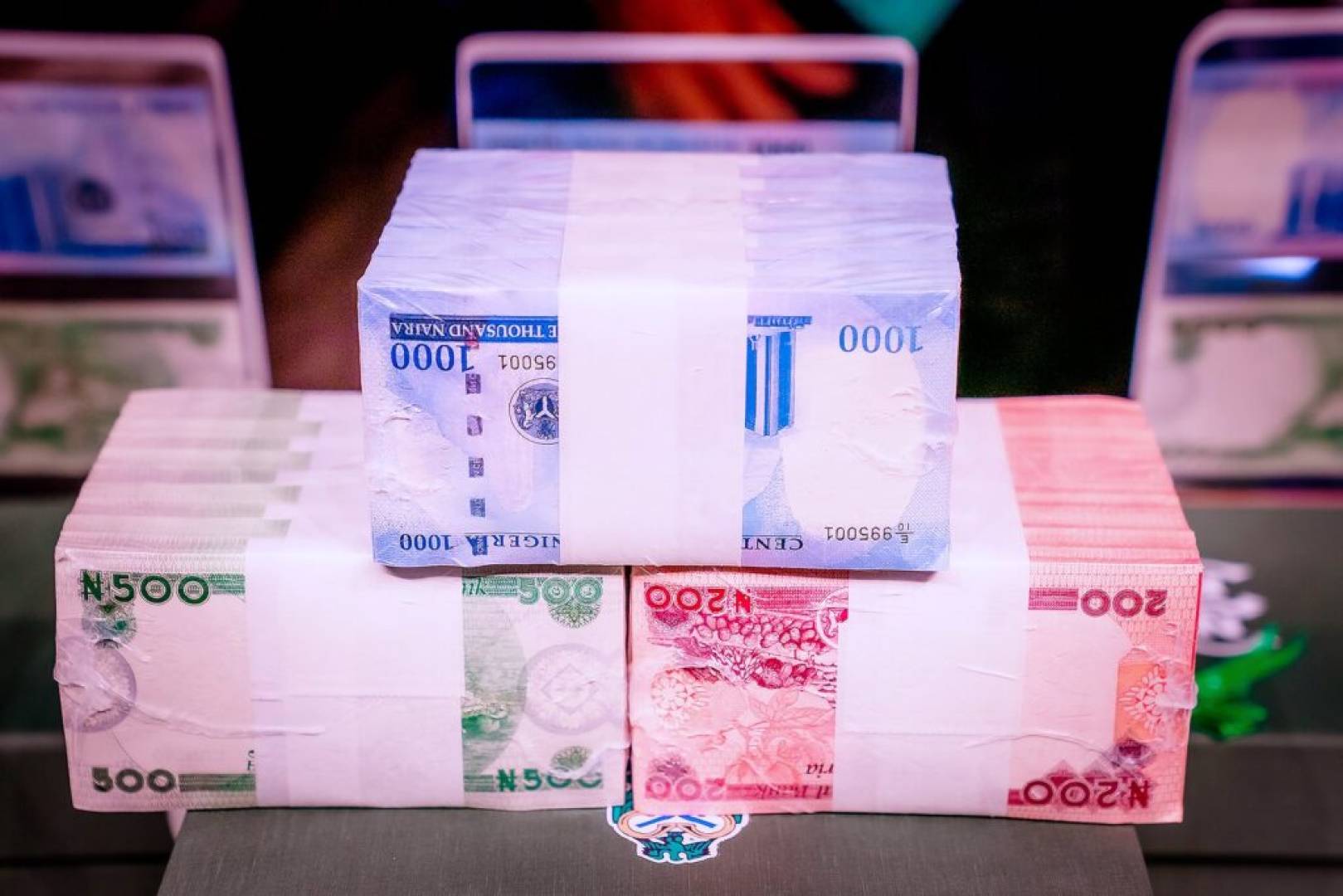
Naija Naira don show small sign of recovery for early trading hours of Tuesday, April 14, 2026 as foreign exchange market dey react to mid-month liquidity changes and Central Bank interventions wey dey ongoing.
Real-time data from official session show say Naira appreciate small from previous day closing rates.
For parallel market wey dem dey call black market, exchange rate still dey slightly higher because demand for dollar among retail users and small businesses still strong.
Reports from Bureau De Change operators for major economic hubs like Lagos, Abuja, and Kano show say Dollar dey trade between N1,465 and N1,490 currently.
Gap between official and informal markets still dey, but recent stability for NFEM don help reduce drastic spikes for parallel sector.
Market analysts note say current performance of Naira dey heavily influenced by foreign capital inflows and global strength of United States Dollar.
For many Nigerian households and businesses, stability of exchange rate remain main concern as e dey directly affect cost of essential imports and overall inflationary pressures.
As of 7:00 AM WAT, trading activity dey steady with participants dey watch afternoon sessions wey usually determine final closing trajectory for the day.
Naira na second best performing African currency against dollar year-to-date, only Zambian Kwacha surpass am.
Stability through conflict-induced volatility commendable, but e don come with heavy cost.
Central Bank of Nigeria follow their pledge to defend local currency for March as deepening geopolitical risk punish emerging market assets.
For data front, e na big week for Nigeria because of incoming inflation report for March.
Persistent signs of easing inflationary pressures fit encourage CBN to cut rates for environment where other central banks dey consider hiking to tame conflict-induced inflation.
Over weekend, US-Iran peace talks conclude without resolution.
Despite marathon 21 hours of negotiations, both sides no fit agree on key issues including Iran nuclear program and control of Strait of Hormuz.
Fresh uncertainty reflect across markets this morning, with risk aversion affecting equities while oil benchmarks surge amid rising geopolitical risk premiums.
Given how Iran don reject US restrictions on shipping and threaten Gulf ports, sentiment remain fragile and highly sensitive with markets on high alert.
Strait of Hormuz don effectively close since late February, raising risk of inflation and growth shocks wey threaten global economy.
For commodity space, oil benchmarks surge as US vow to blockade all vessels passing through Strait of Hormuz.
Brent rally as much as 9% to roughly $104 per barrel as supply shock fears return with vengeance.
Deepening conflict fit keep oil prices elevated, with triple digits potentially becoming new normal amid extreme supply tightness.
Gold initially decline on rising inflation concerns as oil prices surge.
Despite prices jump back above $4700, bears remain in control amid rising inflationary risks.
Given how expectations don basically diminish over lower rates for 2026, gold likely to remain on backfoot with stronger dollar keep bears in game.
Key levels of interest dey $4825, $4700 and $4600.
Lukman Otunuga, Head of Market Research at FXTM Academy, talk say relative stability of Nigeria currency, naira, for face of conflict-driven global volatility commendable but don come with significant cost.
Otunuga note say naira currently rank as second best-performing African currency against dollar year-to-date, trailing only Zambian kwacha.
He explain say Central Bank of Nigeria uphold commitment to defend local currency, particularly for March, as escalating geopolitical tensions weigh heavily on emerging market assets.
On domestic data, Otunuga describe am as significant week for Nigeria with anticipated release of March inflation report.
According to am, sustained signs of easing inflationary pressure fit provide room for CBN to consider interest rate cuts, even as other central banks globally dey lean towards tightening to contain inflation triggered by geopolitical conflicts.
He further point to unresolved tensions for Middle East, noting say recent talks between United States and Iran end without agreement after 21 hours of negotiations, particularly on issues surrounding Iran nuclear programme and control of Strait of Hormuz.
Lingering uncertainty, he talk, don unsettle global markets, with risk aversion dragging equities while oil prices surge on heightened geopolitical risk.
Gulf ports don keep market sentiment fragile, warning say developments around Strait of Hormuz — critical global oil route — continue pose risks to inflation and economic growth worldwide.
For commodities market, he note say oil prices rally sharply, with Brent crude rising by as much as nine percent to about $104 per barrel amid renewed fears of supply disruptions.
He warn say prolonged conflict fit sustain elevated oil prices, potentially keeping them for triple-digit territory.
On gold, Otunuga talk say prices initially decline due to rising inflation concerns linked to surging oil prices.
Although gold rebound above $4,700, he maintain say bearish sentiment persist, driven by expectations of prolonged higher interest rates and stronger dollar.
He identify key price levels to watch at $4,825, $4,700, and $4,600.